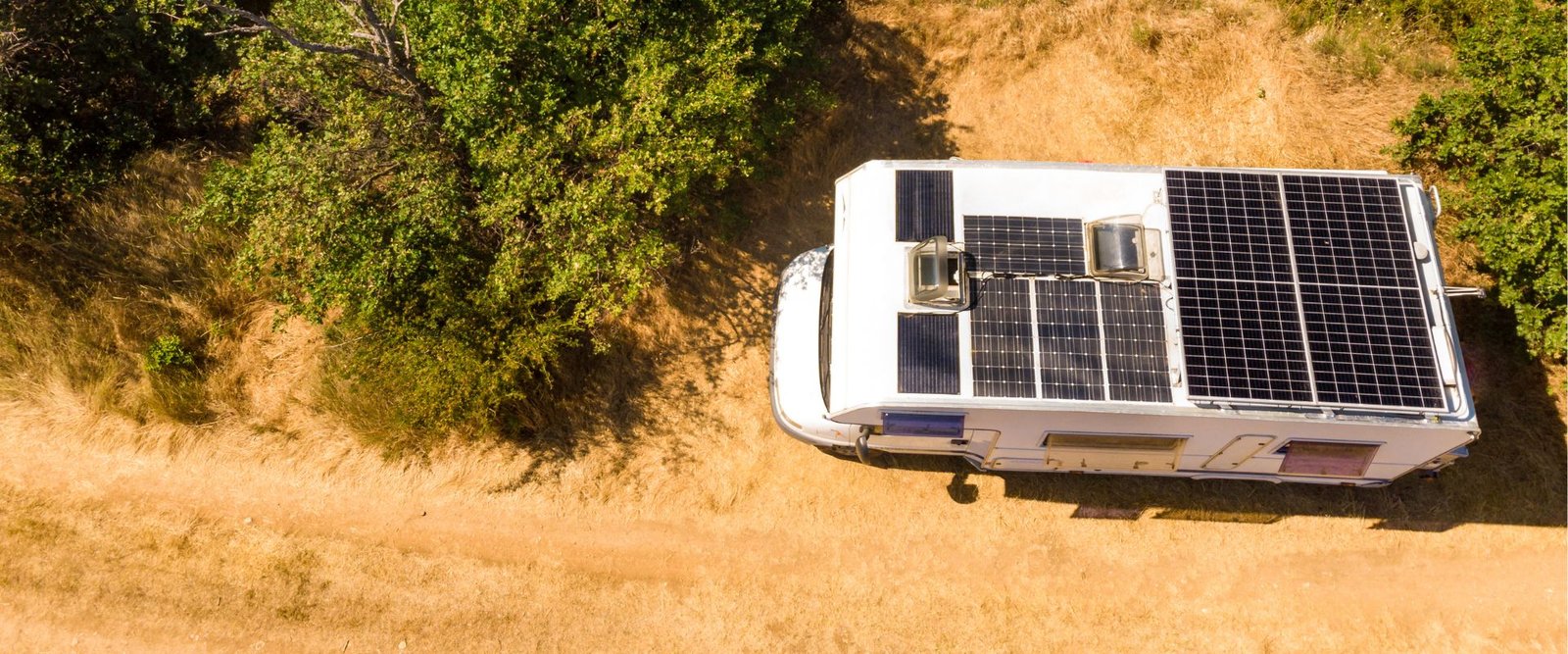
Solar power is no longer a fringe option for RV travelers — it’s become a mainstream choice. Solar-equipped RVs give guests greater independence, lower reliance on grid power, and cleaner energy overall. But to truly support the growing community of solar RV owners, RV parks like Sheldon Lake RV must implement certain technical upgrades and amenities. In this article, we explore what RV parks must do to accommodate solar-powered RVs, from infrastructure requirements to policy best practices.
Why Solar-Equipped RVs Are on the Rise
Solar systems on RVs convert sunlight into usable electricity via solar panels and battery systems. These systems allow travelers to:
- Reduce generator use
- Run appliances off-grid
- Preserve quiet and clean campground environments
- Improve trip flexibility
As solar technology becomes more affordable and efficient, more RVers are choosing to outfit their rigs with solar arrays. This trend requires RV parks to rethink traditional power-focused infrastructures to embrace solar-friendly design.
The Foundation: Understanding the Solar RV Owner’s Needs
In a typical RV solar setup, travelers depend on:
- Solar Panels — Usually mounted on the roof
- Charge Controllers — To regulate energy flow
- Batteries — For storing power
- Inverters — To convert DC to AC power
These systems deliver essential power for lights, appliances, and electronics — often without ever plugging into campground electricity. RV parks that understand this ecosystem can better support their guests.
Offering Solar-Friendly Parking Configurations
Even simple changes to site layouts can make solar setups more effective.
Optimal Site Orientation
Solar panels work best when they receive direct sunlight for most of the day. RV parks can support this by:
- Aligning pads for better southern exposure (in the Northern Hemisphere)
- Avoiding dense shading from trees or structures
- Providing clear sightlines to the sky
Although trees and landscaping create ambience, they should not block sunlight where solar arrays will be placed.
Concrete or Level Gravel Pads
Stable, level sites allow RVs to orient their panels without shifting. Uneven ground can tilt panels away from peak sun angles, reducing efficiency.
Concrete pads also help with mounting accessories like tilt brackets, ballasts, or portable panels.
Strategic Infrastructure Upgrades: Solar-Ready Power Pedestals
Traditional power pedestals offer 30/50-amp service — but solar users need more flexible support.
Multi-Function Power Posts
Solar-equipped RVs still need occasional hookups for:
- Battery charging
- AC loads during extended cloudy periods
- Air conditioning and high-demand systems
RV parks should invest in upgraded power pedestals that include:
- Standard 30/50-amp receptacles
- Additional outlets for battery chargers
- Smart metering to track usage
This approach lets solar RV owners supplement grid power as needed without complication.
Investment in On-Site Solar Support Stations
An innovative trend among forward-thinking RV parks is offering dedicated solar support stations. These might include:
Battery Charging Stations
Not all solar rigs have enough panels to fully recharge batteries every day — especially in winter or cloudy conditions.
By installing shared battery charging hubs, RV parks can:
- Help guests top off batteries quickly
- Reduce generator dependence
- Enhance guest satisfaction
Solar Tool Libraries
The park could offer:
- Portable panel brackets
- Extension cables
- Extra connectors
- Cleaning tools for panels
This simple service benefits beginners and experienced solar users alike.
Upgrading Electrical Infrastructure for Safe Solar Integration
Solar RV setups still interact with the park’s electrical system. This requires careful planning:
Proper Circuit Breakers and Grounding
Solar generators, inverters, and hybrid systems feed power into RV electrical systems differently than traditional shore power. To prevent:
- Back-feeding hazards
- Ground faults
- Overloads
Parks should work with certified electricians to ensure pedestals and distribution panels meet modern safety standards.
Smart Energy Management
Advanced parks use energy-management systems that:
- Monitor total load on the park’s grid
- Automatically balance power between sites
- Prevent overload during peak periods
This is especially important as solar users might tie in with battery chargers and shore power simultaneously.
High-Speed Internet and Monitoring Support
Most RV solar owners monitor their systems via apps that show:
- Battery state of charge
- Solar input
- Energy usage
- Forecast data
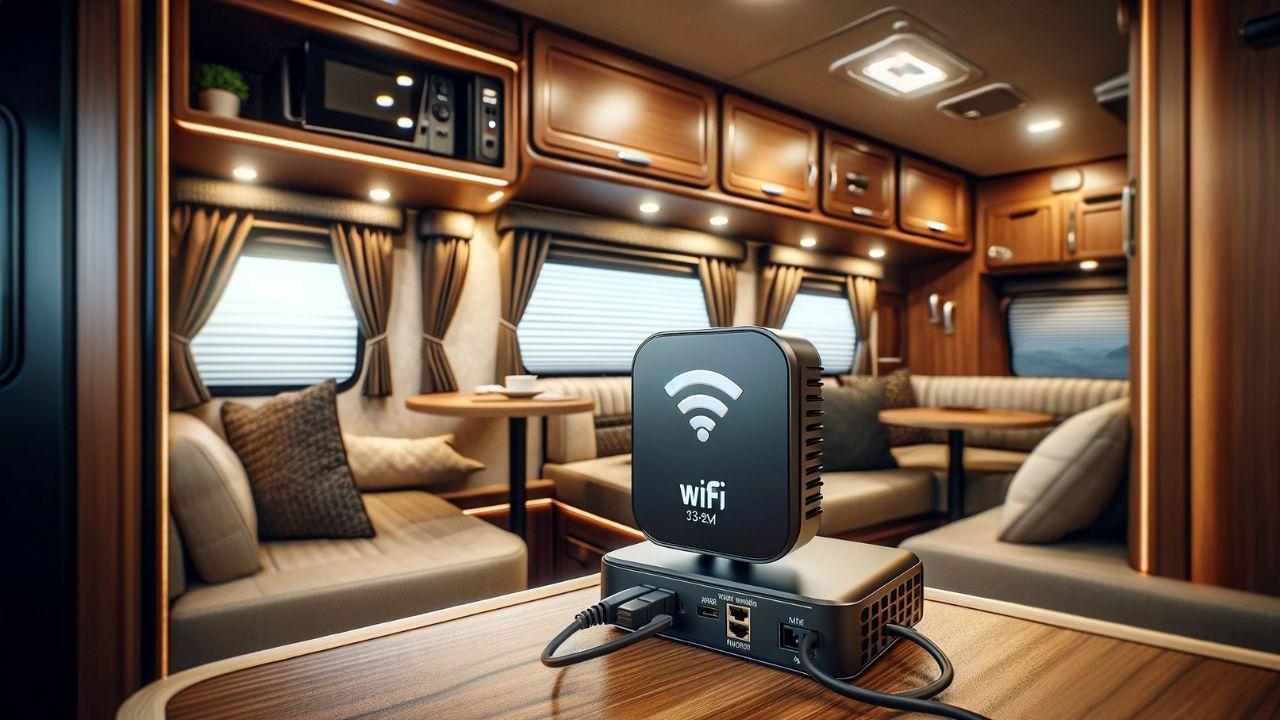
This means strong Wi-Fi or cellular service is no longer a luxury — it’s a practical necessity.
Parks should:
- Provide reliable internet access across sites
- Optimize bandwidth for monitoring systems
- Offer support for setup questions
This directly improves guest experience and reduces support requests.
Solar Policy Guidelines and Clear Expectations
RV parks must create clear, fair policies for solar systems:
Allowed Configurations
Define what types of solar equipment are permitted:
- Roof-mounted panels
- Portable arrays
- Tilted stands
Include safety rules regarding cords, extensions, and panel placements.
Power Usage Rules
Solar-equipped RVs may draw less grid power — parks should communicate:
- When shore power is optional
- What supplemental usage is allowed
- How billing will be handled
Clarity prevents disputes and ensures fair usage for all guests.
Education and Staff Training
Solar tech continues evolving rapidly. Park staff should be able to:
- Explain differences between grid, solar, and hybrid power
- Assist with basic solar setup questions
- Understand common guest challenges
Training can be offered through:
- Online resources
- Manufacturer manuals
- Dedicated sessions with solar tech partners
Well-informed staff significantly elevate guest satisfaction.
Supporting Energy Storage and EV Charging
Many solar RV owners also bring electric vehicles (EVs) or electric bikes.
RV parks should consider:
- Dedicated EV charging stations
- High-amperage outlets compatible with EV chargers
- Battery-to-EV charging solutions
This future-oriented approach positions parks like Sheldon Lake RV as premier destinations for tech-savvy travelers.
Encouraging Sustainable Practices
Solar-equipped RVs are part of a larger sustainability movement. RV parks should:
- Promote recycling and responsible waste handling
- Offer LED lighting and low-energy amenities
- Use energy-efficient appliances on-site
- Harvest solar energy for park facilities
Some parks even install community solar arrays to power shared spaces or RV sites.
This demonstrates environmental leadership and reduces operating costs over time.
Handling Peak Demand and Load Balancing
As more RVs install solar systems, parks must manage the flow of power carefully.
Peak periods can occur when:
- Air conditioning is running
- Battery chargers are operating
- Water heaters or microwaves are in use
To handle this, parks can install:
- Smart load-shedding systems
- Real-time monitoring dashboards
- Demand-response controls
These technologies reduce strain on the park grid and prevent outages.
Backup Power and Emergency Support
Solar systems help RVers stay powered when grid electricity fails — but parks should also be prepared.
Recommendations include:
- Backup generators with automatic transfer switches
- Shared battery backups for critical systems
- Communication plans during outages
This improves reliability and comfort for all guests.
Accounting and Billing for Solar Users
Solar-equipped RV owners may:
- Use less park electricity
- Require occasional shore power boosts
- Plug in at irregular durations
Parks should:
- Clarify metering practices
- Offer fair billing based on actual usage
- Provide transparent records
Some parks use smart meters that bill per kWh — similar to how homes are charged.
Legal and Safety Compliance Requirements
Parks must ensure all solar-related infrastructure adheres to:
- Local electrical codes
- Fire safety standards
- Accessibility rules
- Insurance requirements
Work with qualified professionals to maintain compliance.
This reduces liability and protects guests.
Feedback Systems and Continuous Improvement
Solar technology evolves quickly — so should RV parks.
To stay current:
- Survey guests about solar support
- Measure usage trends
- Invest in upgrades based on data
- Attend industry conferences
Guest feedback drives improvements and keeps parks competitive.
FAQs About Supporting Solar-Equipped RVs at RV Parks
Do solar panels replace the need for campground electricity?
Solar systems reduce reliance on grid power but often still benefit from shore power for high-demand systems like air conditioning or extended cloudy periods.
Can I use portable solar panels on any site?
Most parks allow them, but it’s best to check policies regarding shade structures, cords, and orientation to avoid safety issues.
Will I be charged for electricity if I use solar panels?
Billing depends on park policy — parks with smart metering typically charge per actual consumption.
Does Wi-Fi affect solar performance?
No — Wi-Fi doesn’t affect power systems directly, but strong connectivity helps RV owners monitor solar performance remotely.
Are solar systems safe in rain or storms?
Quality solar setups are weather-rated, but it’s always good practice to ensure panels and cables are secure before storms.
What’s the difference between grid, solar, and hybrid RV power?
Grid power is campground electricity; solar draws sunlight; hybrid uses both depending on availability.
Conclusion
As more RV travelers embrace solar power, RV parks must evolve technically to support them. From solar-ready infrastructure and upgraded power pedestals to smart billing, connectivity upgrades, and educated staff, parks like Sheldon Lake RV can meet guest needs while staying ahead of industry trends.
Supporting solar-equipped RVs isn’t just smart — it’s essential for tomorrow’s RV amenities competitiveness and guest satisfaction. By investing in these technical upgrades and policies, RV parks ensure all guests enjoy comfort, sustainability, and flexibility under the open sky.