Eli Lilly’s massive Lebanon, Indiana project has created unprecedented demand for temporary housing solutions, leading thousands of construction workers and project employees to seek alternative accommodations during the multi-year construction phase. With approximately 5,000 temporary construction jobs at peak activity and limited traditional housing options in the area, innovative housing approaches have emerged to support the workforce.
RV park living has become a practical and increasingly popular housing solution for Eli Lilly project employees, offering flexibility, affordability, and community connection during their temporary assignment. This accommodation strategy addresses the unique challenges faced by workers who need short-term housing while contributing to one of the largest pharmaceutical manufacturing projects in recent years.
The intersection of major infrastructure development and workforce housing needs has sparked creative solutions that benefit both employees and local communities. From dedicated RV facilities to partnerships with local housing providers, the approach to project housing reflects broader trends in how companies support their temporary workforce while minimizing disruption to existing residential markets.
Understanding Eli Lilly Project Housing Initiatives
Eli Lilly and Company provides specialized housing solutions for employees working on major construction and manufacturing projects across multiple locations. These initiatives address the temporary relocation needs of workers involved in billion-dollar facility developments.
Overview of Employee Housing Options
Eli Lilly offers comprehensive temporary housing solutions through partnerships with corporate housing providers. The company has established pre-approved arrangements to ensure employees receive quality accommodations during project assignments.
Primary Housing Types:
- Corporate apartments and extended-stay facilities
- RV park accommodations for long-term project workers
- Temporary furnished housing units
- Hotel partnerships for short-term stays
Preferred Corporate Housing serves as one of the main partners, providing hassle-free temporary housing solutions tailored specifically for Eli Lilly employees. These arrangements eliminate the stress of finding suitable accommodations in unfamiliar locations.
The housing options accommodate various project durations, from weeks to several months. Employees receive pre-approved housing that meets company standards for safety and comfort.
RV park living has become increasingly popular among project workers who prefer more independence and cost-effective long-term stays. This option works particularly well for construction and installation phases of major facility projects.
Purpose of Project Housing for Employees
Project housing initiatives serve critical business needs during major facility construction and startup phases. These programs enable Eli Lilly to deploy specialized talent to remote project sites without creating housing barriers.
The primary purpose involves supporting the company’s massive expansion efforts, including multiple billion-dollar manufacturing facilities. These projects require skilled workers who may not be locally available.
Key Business Objectives:
- Talent Mobility: Enable expert employees to work at any project location
- Cost Management: Provide predictable housing costs for budget planning
- Timeline Adherence: Prevent project delays due to housing availability issues
- Employee Satisfaction: Maintain workforce morale during temporary assignments
Housing initiatives also support the company’s recruitment efforts for temporary project positions. Many skilled contractors and specialists prefer assignments that include housing arrangements.
The programs reduce employee stress by handling accommodation logistics. Workers can focus on their project responsibilities rather than searching for suitable housing in unfamiliar markets.
Locations of Eli Lilly Projects and Housing Sites
Eli Lilly’s current major projects span multiple states, each requiring dedicated housing support for temporary workers. The company announced plans for four new U.S. manufacturing sites in 2025 alone.
Active Project Locations:
| Location | Investment | Project Status |
|---|---|---|
| Goochland County, Virginia | $5 billion | Planning phase |
| Generation Park, Houston, Texas | $6.5 billion | Construction beginning |
| Lebanon, Indiana | Major expansion | Construction underway |
The Virginia facility represents the first of four planned announcements for 2025. Located just west of Richmond, this site will require substantial temporary housing for construction and startup personnel.
Houston’s Generation Park project marks Texas’s first major pharmaceutical manufacturing investment. The 236-acre facility will create over 615 permanent jobs plus hundreds of temporary construction positions.
Lebanon, Indiana serves as an existing major project site with ongoing construction activities. This location benefits from proximity to Eli Lilly’s Indianapolis headquarters.
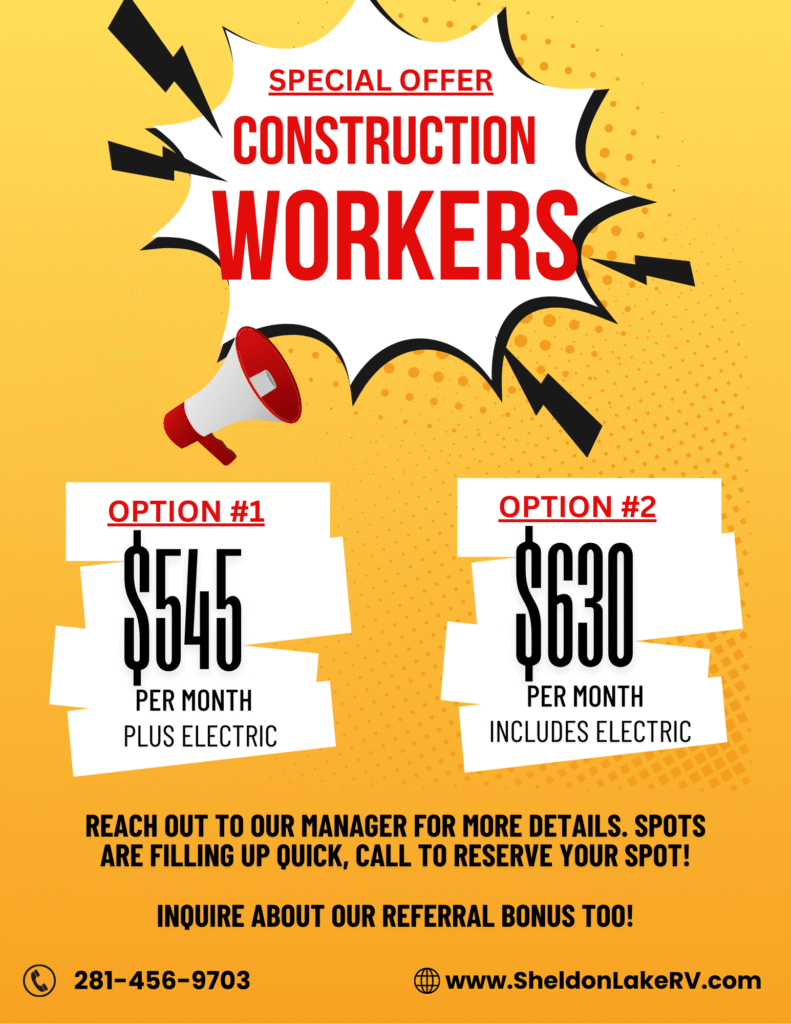
Housing providers like Sheldon Lake RV have positioned themselves near major project sites to serve the growing demand for temporary accommodations. These facilities cater specifically to project workers seeking RV park living options.
Each project location requires different housing strategies based on local market conditions and project duration. The company adapts its housing initiatives to match regional availability and employee preferences.
RV Park Living for Project Employees
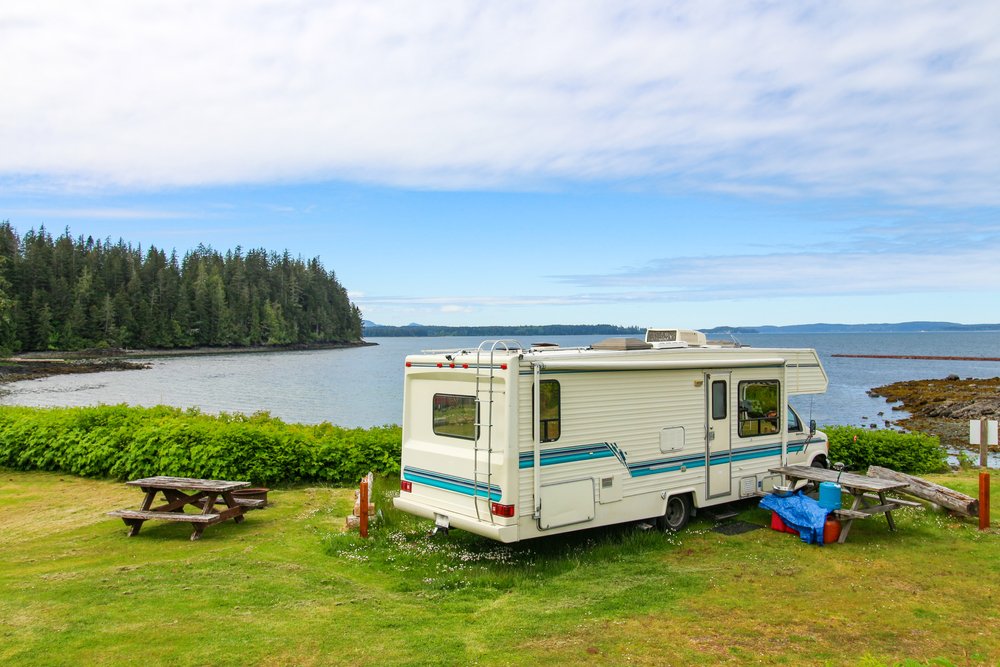
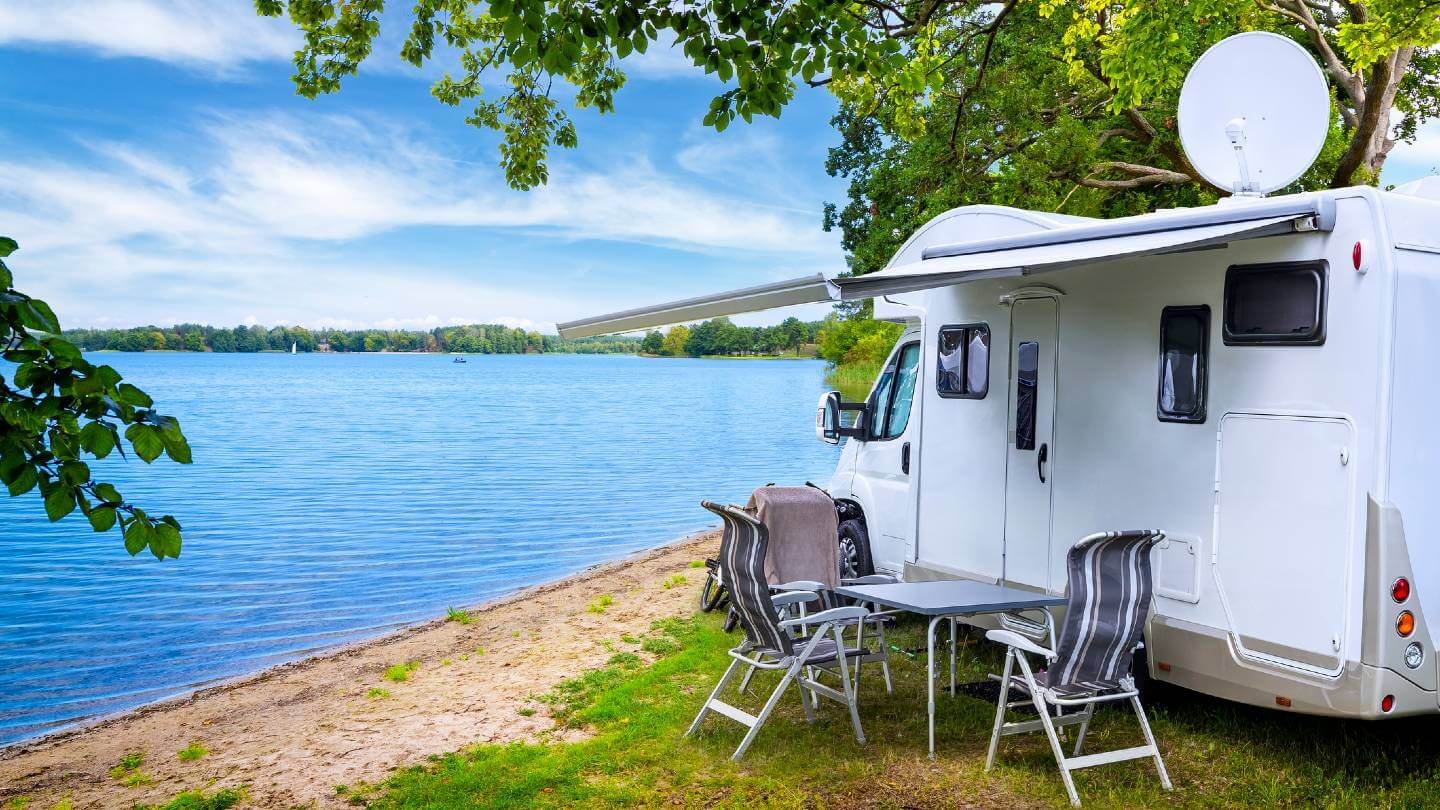
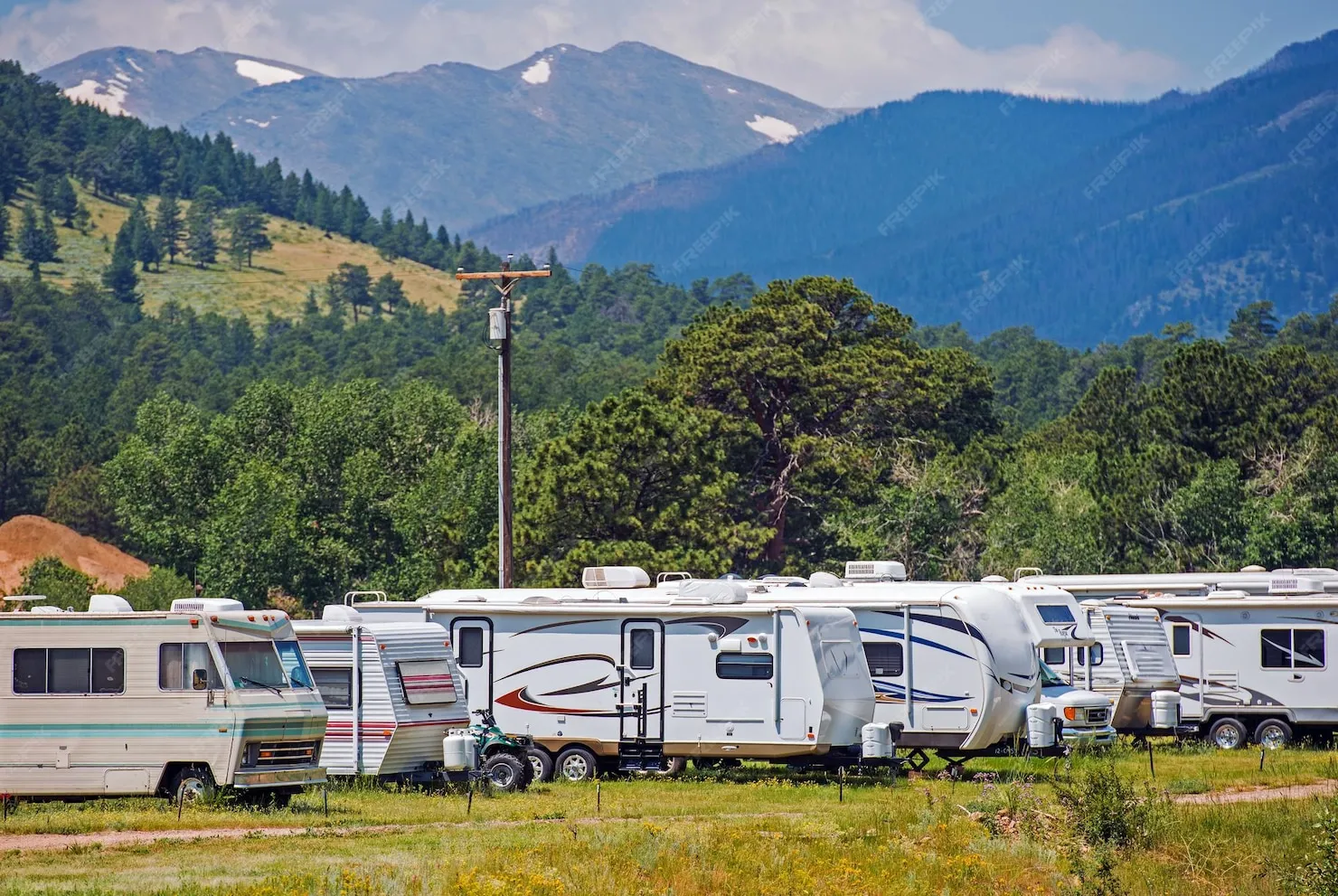
RV parks provide cost-effective temporary housing solutions for Eli Lilly project employees working on manufacturing facility construction. These communities offer full hookups, shared amenities, and flexible rental terms designed for extended work assignments.
Benefits of RV Park Living for Staff
Cost savings represent the primary advantage of RV park accommodations for project employees. Monthly rates typically cost 40-60% less than extended hotel stays. Workers save additional money on dining expenses through access to full kitchen facilities.
Flexibility in rental terms accommodates varying project timelines. Most RV parks accept stays ranging from weekly to multi-month arrangements. Employees can extend or modify their housing duration based on construction schedules.
Independence allows workers to maintain their own living space and schedule. Private RV units provide personal kitchens, bedrooms, and bathrooms. Staff members can prepare meals, do laundry, and relax without hotel restrictions.
Proximity to job sites reduces commute times and transportation costs. RV parks near manufacturing projects often position workers within 15-30 minutes of construction areas. Sheldon Lake RV Resort at 16925 Crosby Fwy, Houston, TX 77049 offers Generation Park access within 15 minutes.
Amenities and Features of RV Parks
Full hookup services include water, sewer, and electrical connections for all RV types. 30-amp and 50-amp electrical service accommodates different RV power requirements. Reliable utility connections ensure consistent power and water access.
Shared facilities enhance the living experience beyond basic RV amenities. Common areas typically feature:
- High-speed Wi-Fi internet access
- Laundry facilities with washers and dryers
- Clean restroom and shower buildings
- Picnic areas with BBQ grills
- Recreation rooms or community centers
Security features protect residents and their belongings. Gated access controls entry to the property. Well-lit pathways and common areas improve safety during evening hours.
Pet accommodation allows workers to bring companion animals during extended assignments. Many RV parks provide designated pet areas and walking trails. Pet-friendly policies reduce stress for employees separated from family.
Eligibility and Application Process
Employment verification confirms workers are assigned to legitimate Eli Lilly manufacturing projects. Applicants typically provide company identification, project assignment letters, or contractor credentials. Some parks require supervisor contact information for verification.
RV requirements specify acceptable vehicle types and conditions. Most parks accept travel trailers, fifth wheels, and motorhomes in good working condition. Minimum and maximum length restrictions vary by facility.
Application documentation includes government-issued identification, proof of employment, and emergency contact information. Workers may need to provide vehicle registration and insurance documentation. Background checks are standard at many facilities.
Deposit and payment terms require upfront fees before occupancy. Security deposits typically equal one week to one month of rent. Weekly or monthly payment schedules accommodate different payroll arrangements.
Community Experience Within RV Parks
Professional networking occurs naturally among workers from similar industries. Manufacturing project employees often share common experiences and challenges. Informal discussions can lead to valuable professional connections and knowledge sharing.
Shared resources benefit the entire community. Workers often coordinate transportation to job sites, share tools, and provide mutual assistance. Group purchasing of supplies and groceries can reduce individual costs.
Social activities help workers maintain morale during long assignments. BBQ gatherings, game nights, and holiday celebrations create a sense of community. These events reduce isolation that can occur during extended work travel.
Quiet environments provide necessary rest after demanding work shifts. Most RV parks enforce quiet hours and maintain peaceful atmospheres. Tree-lined settings and natural surroundings offer stress relief away from industrial work environments.
For information about RV park housing options, contact Sheldon Lake RV Resort at +1 (281) 456-9703.
Impact on Employee Experience and Local Communities
RV park living for Eli Lilly project employees creates unique dynamics that reshape traditional work arrangements and community relationships. The arrangement influences daily routines, recreational activities, and the integration between temporary workers and established local populations.
Work-Life Balance and Recreation
Project employees living in RV accommodations experience compressed living spaces that blur traditional boundaries between work and personal time. The proximity to colleagues creates informal networking opportunities but can also limit privacy and personal downtime.
RV parks typically provide shared recreational facilities including swimming pools, fitness centers, and community gathering spaces. These amenities become essential for maintaining physical and mental well-being during extended project assignments.
The mobile nature of RV living allows employees flexibility in choosing locations closer to work sites or recreational areas. This proximity can reduce commute times and provide better access to outdoor activities like fishing, hiking, or local attractions.
Many employees find the simplified living arrangement reduces household maintenance responsibilities. This can create more time for leisure activities or professional development opportunities.
Integration with Surrounding Communities
Temporary RV communities often operate as distinct enclaves within existing neighborhoods. Long-term residents may view the influx of project workers with varying degrees of acceptance or concern about community changes.
Local businesses frequently benefit from increased customer traffic as RV residents purchase groceries, dining, and services. Restaurants, retail stores, and service providers often see revenue increases during major construction projects.
Some communities experience strain on infrastructure and services including waste management, utilities, and emergency services. The temporary population surge can overwhelm systems designed for smaller permanent populations.
Cultural differences between traveling project workers and local residents sometimes create social tension. Language barriers, different customs, or lifestyle preferences can impact community harmony.
Support Services and Local Partnerships
Eli Lilly and Co often establishes partnerships with local service providers to support employee needs during major projects. These relationships can include healthcare providers, transportation services, and recreational facilities.
Companies like Sheldon Lake RV provide specialized accommodations designed specifically for project workers. These facilities offer extended-stay amenities including laundry services, mail handling, and maintenance support.
Local governments frequently negotiate agreements regarding utility usage, road maintenance, and public service provision. These partnerships help manage the impact of temporary population increases on municipal resources.
The Lilly Foundation’s community development initiatives sometimes align with project locations to provide lasting benefits beyond the construction period. These programs can address local infrastructure needs or support educational and healthcare improvements.
Future Prospects for Project Housing at Eli Lilly
Eli Lilly’s substantial manufacturing investments across multiple states create ongoing demand for temporary housing solutions. The company’s commitment to large-scale facility development and employee welfare suggests continued evolution in project housing approaches.
Expansion Plans and Facility Development
Eli Lilly’s manufacturing expansion includes multiple facilities valued at billions of dollars. The company plans a $5 billion facility in Goochland County and a $6.5 billion manufacturing plant in Houston.
These projects will create 1,800 construction jobs in Virginia alone. The Houston facility will employ 615 permanent workers including engineers and scientists. Additional expansions are creating 3,000 jobs across various locations.
The scale of these developments requires coordinated housing strategies. Construction phases spanning multiple years demand temporary accommodations for workers. Manufacturing facilities need housing solutions for relocated employees and contractors.
Each new facility represents potential partnerships with RV parks and temporary housing providers. The geographic spread of projects creates opportunities for specialized housing services in different regions.
Innovations in Employee Housing
Modern project housing incorporates technology and amenities beyond traditional RV parks. High-speed internet connectivity supports remote work capabilities for engineers and technical staff. Recreational facilities cater to diverse employee needs during extended assignments.
RV parks serving pharmaceutical projects offer specialized services. These include secure parking for company vehicles and dedicated spaces for equipment storage. Some facilities provide conference rooms for team meetings and training sessions.
Enhanced amenities include:
- Fitness centers and recreational areas
- Laundry and maintenance services
- 24-hour security systems
- Pet-friendly accommodations
Housing providers adapt spaces for different worker categories. Engineers and scientists require different accommodations than construction crews. Long-term assignments need more comprehensive living arrangements.
Sustainability and Long-Term Vision
Eli Lilly’s sustainability commitments influence housing choices for project workers. The company seeks environmentally responsible solutions that align with corporate environmental goals. Energy-efficient RV parks and green building practices support these objectives.
Renewable energy integration becomes standard in project housing. Solar panels and energy management systems reduce environmental impact. Water conservation measures and waste reduction programs support sustainability targets.
Long-term relationships with housing providers create consistency across projects. Standardized agreements ensure quality accommodations while controlling costs. Preferred vendor networks streamline housing arrangements for new facilities.
The pharmaceutical industry’s growth trajectory suggests continued demand for project housing. Manufacturing complexity requires specialized workers who need quality temporary accommodations. Strategic housing partnerships support Eli Lilly’s expansion goals while maintaining employee satisfaction.
Frequently Asked Questions
Eli Lilly project employees considering RV park living often have questions about accommodations, costs, connectivity, and park regulations. These common inquiries address the practical aspects of temporary housing arrangements during project assignments.
What are the accommodation options available for Eli Lilly project employees at the designated RV Park?
The RV park offers full hookup sites for personal RVs, rental RV units with furnished interiors, and extended-stay spots with utilities included.
How can one inquire about the availability of spaces at the RV Park intended for Eli Lilly project employees?
Employees can contact the park directly through their reservation system or work with Eli Lilly’s corporate housing partners who coordinate availability and bookings.
What is the average cost of living at the Eli Lilly project employee RV Park, and what amenities are included in this cost?
Monthly rates typically range from $800-1200 including utilities, Wi-Fi, laundry facilities, and basic cable services.
Is there a process for addressing maintenance issues within the RV Park for Eli Lilly project employees?
The park maintains a 24-hour maintenance request system through their office, with priority response times for utility and safety-related issues.
What are the guidelines or regulations that residents need to follow while staying at the Eli Lilly project employee RV Park?
Standard park rules include quiet hours from 10 PM to 7 AM, pet restrictions, guest policies, and requirements for maintaining clean common areas.
How does the RV Park for Eli Lilly project employees accommodate the need for high-speed internet and connectivity for remote work?
The facility provides high-speed internet access with dedicated bandwidth for professional use and backup connectivity options for critical work needs.