
Industrial park projects often require contractors to work in remote locations far from their homes, creating significant logistical challenges for both workers and project managers. Traditional hotel accommodations can be expensive, inconvenient, and unavailable in remote areas where large-scale industrial construction takes place.
Flexible RV housing solutions provide cost-effective, on-site accommodations that reduce commute times, improve worker satisfaction, and enhance project efficiency for industrial park contractors. These mobile housing units can be quickly deployed to project sites and scaled up or down based on workforce needs throughout different construction phases.
This comprehensive guide explores how RV housing works for industrial projects, covering practical implementation strategies, essential amenities, and the specific benefits these solutions offer to contractors and project managers working on complex industrial developments.
Flexible RV Housing Solutions for Contractors
Contractors working on industrial park projects face unique housing challenges that require adaptable accommodation solutions. Modern RV housing offers cost-effective alternatives with full amenities, flexible rental terms, and rapid deployment capabilities that traditional housing cannot match.
Key Features of Contractor RV Housing
Full Amenities and Comfort Modern contractor RV units include complete kitchen facilities, private bathrooms, comfortable sleeping areas, and climate control systems. Each unit provides living spaces comparable to traditional apartments.
Rapid Deployment and Setup Professional setup services ensure RVs are job-ready within 24-48 hours of delivery. Units arrive fully equipped with utilities connections and necessary infrastructure support.
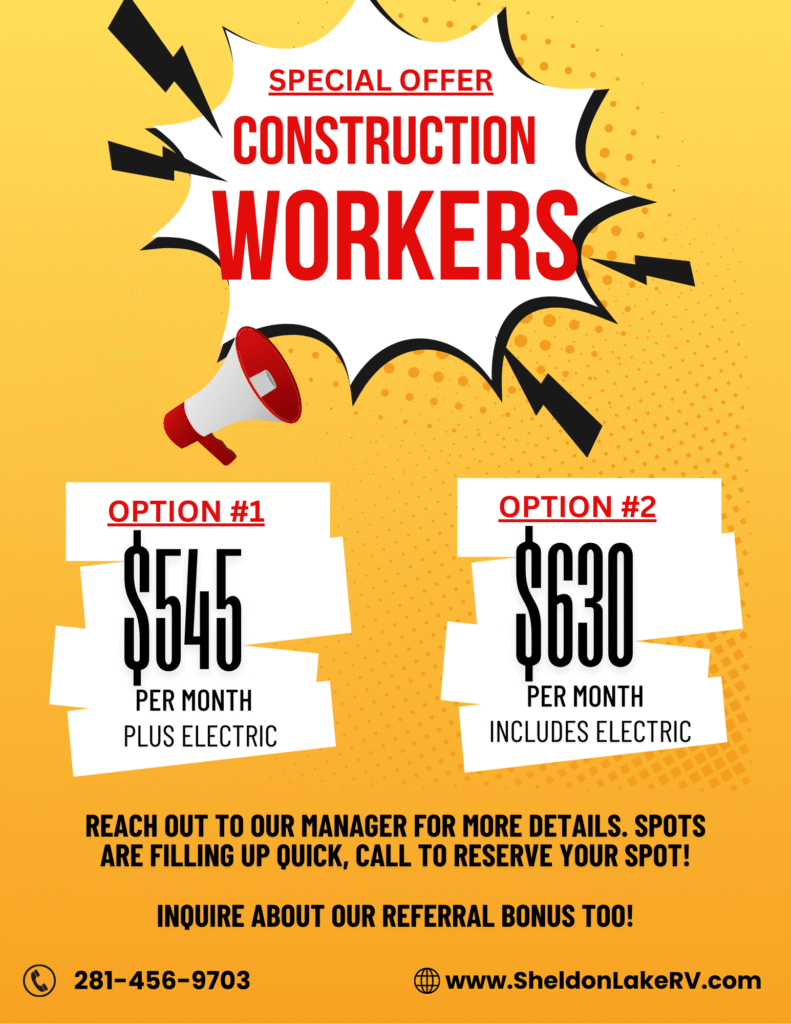
Fleet Management and Maintenance Reputable providers like Sheldon Lake RV at 16925 Crosby Fwy, Houston, TX 77049 (281-456-9703, maintain complete control over their rental fleets. Regular inspections and cleaning protocols ensure consistent quality standards.
Scalable Solutions Housing capacity adjusts quickly based on project workforce size. Additional units can be deployed or removed as team requirements change throughout project phases.
Comparison to Traditional Housing Options
Cost Effectiveness RV rentals eliminate individual hotel room expenses that accumulate over extended project timelines. Monthly rental rates often cost 40-60% less than comparable hotel accommodations for multi-week stays.
Location Advantages On-site placement reduces commute time and transportation costs. Workers spend less time traveling and more time focused on project tasks.
Privacy and Independence Individual or shared RV units provide more privacy than hotel rooms. Workers enjoy personal space with cooking facilities and private bathrooms without shared common areas.
Availability in Remote Locations Hotels may be unavailable or extremely limited near industrial park sites. RV housing delivers accommodation directly to project locations regardless of local lodging infrastructure.
Short-Term and Long-Term Stay Flexibility
Adaptable Rental Terms Providers offer weekly, monthly, and extended rental periods based on project duration. Contracts adjust to accommodate changing timelines without penalties for early termination or extensions.
Project Phase Coordination Housing scales up during peak construction phases and reduces during lighter work periods. This flexibility prevents paying for unused accommodations during project downtime.
Workforce Mobility Units relocate easily when contractors move between different industrial park sites. The same housing follows teams to new locations without requiring new accommodation arrangements.
Customer Satisfaction Metrics Flexible terms and responsive service contribute to higher worker satisfaction rates. Comfortable housing reduces turnover and maintains experienced workforce continuity throughout project completion.
Implementation and Logistics for Industrial Park Projects
Successful implementation of RV housing solutions for industrial park projects requires coordinated nationwide delivery capabilities and strategic site preparation. Proper utility connections and customized crew accommodations ensure operational efficiency throughout project timelines.
Nationwide Delivery and Setup
Industrial park contractors require reliable delivery systems that can transport RV housing units to remote locations across the country. Specialized logistics providers coordinate transportation schedules with project timelines to ensure housing arrives before workforce deployment begins.
Professional setup teams handle the physical installation of RV units on prepared sites. These crews manage positioning, leveling, and securing units according to local building codes and safety requirements.
Delivery schedules must account for project phases and workforce scaling needs. Contractors often require phased delivery as projects expand, with additional units arriving as crew sizes increase.
Transportation costs vary based on distance, unit size, and delivery urgency. Companies like Sheldon Lake RV provide comprehensive delivery services that include route planning and permit acquisition for oversized loads.
Site Selection and Utility Connections
Site selection for RV housing requires level ground with adequate drainage and accessibility for delivery trucks. Industrial parks must designate areas that maintain separation from active construction zones while providing reasonable access to work sites.
Essential utility requirements include:
- Electrical hookups (30/50 amp service)
- Water supply connections
- Sewer or septic systems
- Internet and telecommunications
Utility infrastructure installation occurs before RV delivery. Site preparation teams install electrical pedestals, water lines, and sewer connections according to local utility codes.
Proximity to existing industrial park utilities reduces installation costs and complexity. Sites located near established utility corridors require less trenching and infrastructure extension.
Customization and Crew Accommodation
Modern RV housing units accommodate various crew sizes and project requirements through customizable floor plans and amenities. Single-occupancy units provide privacy for supervisors and skilled tradespeople, while bunkhouse-style units house larger crews efficiently.
Interior customization options include workstation areas, enhanced kitchen facilities, and additional storage for tools and personal equipment. Climate control systems ensure comfort in extreme weather conditions common at industrial sites.
Standard accommodation features include:
- Full kitchen and bathroom facilities
- Separate sleeping and living areas
- Adequate storage space
- High-speed internet capability
Extended-stay projects benefit from enhanced amenities such as laundry facilities, recreational areas, and upgraded furnishings. These features improve crew retention and job satisfaction during long-term industrial park construction phases.
Unit configurations can be modified during projects as crew compositions change. Flexible rental agreements allow contractors to adjust housing capacity without long-term commitments.
Benefits for Contractors and Project Managers
RV housing solutions deliver measurable advantages for industrial park projects by reducing operational costs, eliminating commute times, and creating stable living conditions that directly impact project success. These benefits translate into improved workforce management and enhanced project outcomes.
Enhanced Crew Productivity and Safety
On-site RV housing eliminates daily commutes that can consume hours of workers’ time and energy. Construction crews arrive at worksites well-rested and ready to begin tasks immediately. This arrangement reduces the risk of traffic-related accidents during transit to remote industrial locations.
Workers living on-site can respond quickly to project emergencies or schedule changes. Project managers gain flexibility to adjust work hours without worrying about transportation logistics. The proximity allows for better communication between team members and supervisors throughout project phases.
Safety improvements include:
- Reduced vehicle accidents from long commutes
- Better emergency response times
- Decreased fatigue-related workplace incidents
- Enhanced site security with permanent on-site presence
Cost-Effectiveness for Industrial Projects
RV housing provides significant cost savings compared to hotel accommodations for long-term industrial projects. Companies avoid daily per diem rates and can negotiate bulk pricing for extended rental periods. The mobile nature of RV units allows relocation as project phases shift within industrial parks.
Transportation costs drop substantially when workers live on-site. Fuel expenses, vehicle wear, and travel time compensation become minimal factors in project budgets. This cost structure particularly benefits projects in remote industrial locations where hotel options are limited or expensive.
Financial advantages include:
- Lower accommodation costs than hotels
- Reduced transportation expenses
- Decreased per diem requirements
- Flexible rental terms matching project timelines
Improving Team Morale and Retention
Quality RV accommodations provide workers with private living spaces that include kitchens, bathrooms, and sleeping areas. These amenities create comfortable living conditions that help retain skilled contractors throughout project duration. Workers appreciate having personal space after demanding workdays.
Facilities like Sheldon Lake RV Resort offer additional amenities including recreational areas and peaceful environments that support work-life balance. This type of accommodation helps contractors maintain job satisfaction during extended assignments. Companies experience lower turnover rates when providing quality housing options.
The stability of on-site housing reduces stress associated with daily travel and temporary lodging arrangements. Workers can establish routines and maintain personal belongings in dedicated spaces. Customer satisfaction increases when project teams remain consistent throughout completion phases.
Amenities and Support Services
Modern RV housing solutions for industrial park contractors include comprehensive amenities designed for comfort and productivity. Professional maintenance services ensure consistent operation throughout project timelines.
On-Site Facilities and Comforts
Industrial RV housing units feature complete living amenities that mirror traditional home environments. Each unit includes full kitchens with refrigerators, stoves, and microwaves for meal preparation. Climate control systems maintain comfortable temperatures year-round.
Bathroom facilities come standard with showers and modern fixtures. Living spaces provide comfortable seating areas for relaxation after work shifts. Many units include washers and dryers for convenience.
- Full kitchen appliances
- Air conditioning and heating
- Private bathrooms with showers
- Laundry facilities
- Comfortable sleeping arrangements
Bunkhouse configurations accommodate larger crews efficiently. These specialized units maximize sleeping capacity while maintaining privacy and comfort standards. Some providers offer combination kitchen and recreation room units for crew gatherings.
Maintenance and Technical Support
Professional maintenance services keep RV housing units operating smoothly throughout project durations. Technicians provide 24/7 support for urgent repairs and system issues. Regular maintenance schedules prevent equipment failures.
Full utility hookup services include electrical, water, and sewer connections. Installation teams handle permitting requirements and site preparation. Same-day quotes expedite project planning timelines.
Support Services Include:
- 24/7 technical assistance
- Complete utility connections
- Permitting and installation
- Regular maintenance schedules
- Emergency repair services
Nationwide delivery networks ensure units reach remote industrial locations quickly. Customer satisfaction remains high due to comprehensive after-sale support services. Experienced providers maintain clean, functional inventory ready for immediate deployment.
Frequently Asked Questions
Industrial park contractors commonly seek information about RV housing specifications, proximity to work sites, and regulatory compliance. These questions address practical concerns about floor plans, bunkhouse configurations, rental availability, purchasing options, amenities, and legal requirements.
What are the standard floor plans for temporary RV housing units used by contractors?
Standard contractor RV housing typically features 25-40 foot units with multiple sleeping configurations including single and double occupancy layouts.
How does the bunkhouse design in RVs cater to the needs of workers in industrial park projects?
Bunkhouse RVs maximize sleeping capacity with stackable beds and provide separate living areas for rest and relaxation after long work shifts.
Can contractors find temporary RV housing for rent in proximity to active industrial park sites?
Rental companies provide temporary RV housing nationwide and can deliver units directly to industrial park locations for contractor convenience.
What are the options for purchasing used workforce housing and bunkhouses?
Contractors can purchase previously rented RV units through specialized housing providers, with some companies offering rent-to-own arrangements.
What amenities and features are typically included in RV housing for industrial project contractors?
Standard amenities include full kitchens, bathrooms with showers, air conditioning, heating systems, and electrical hookups for construction site power.
What regulations should be considered when setting up temporary RV housing for construction teams?
Local zoning laws, building permits, utility connections, and health department regulations must be reviewed before establishing temporary RV housing sites.